
How Is the Real Estate Market in Bangalore Now?

The real estate market in Bangalore now is in a powerful growth phase, with average home prices climbing to roughly ₹9,785 per sq. ft.—marking a massive 24% increase in just one year and ranking as the fastest price jump among all major Indian cities in 2026.
While property sales in other parts of India have cooled down a bit, Bangalore’s market is busier than ever. The city center has become crowded and expensive, forcing families and investors to look at fast-growing neighborhoods on the outskirts. Backed by a steady influx of tech professionals and massive new transit projects, Bangalore remains India's safest and most active property hotspot.
The Big Shift: Luxury and Gated Communities Take Over
The biggest trend in Bangalore right now is the sudden drop in cheap, affordable housing and a massive boom in premium projects. High-earning corporate workers and NRI (Non-Resident Indian) buyers are happily paying more for bigger layouts, better lifestyle features, and legally safe properties.
- The Luxury Wave: High-end and luxury properties now make up a staggering 68% of all new project launches in the city.
- The Mid-Segment Steady Hold: Mid-priced homes (costing between ₹80 Lakhs and ₹1.5 Crore) account for 31% of the market, mostly serving first-time family buyers.
- The Decline of Affordable Housing: Cheap, entry-level housing has dropped to just 1% of new launches. This is because high land costs make it almost impossible for builders to launch low-cost apartments.
Detailed Breakdown of Top Investment Areas
Most of the growth in Bangalore’s housing market is happening in two main directions: the East and the North.
1. The Eastern Sub-Market (The Unstoppable Leader)
The East is still the favorite choice for buyers, capturing 57% of all new residential launches.
Core Hubs: Whitefield, Gunjur, Panathur, Budigere Cross, and the Hoskote highway belt.
Why It Is Growing: This area thrives because of the running Purple Line Metro and endless new office buildings.
2. The Northern Sub-Market (The Strategic Long-Term Play)
The North is the second-largest growth pocket, bringing in 38% of new property launches.
Core Hubs: Devanahalli, Hebbal, Bagalur, and locations along Tumkur Road.
Why It Is Growing: This side of town grows entirely because of great infrastructure. It sits right next to the International Airport, features massive new aerospace parks, and offers plenty of gated land plots for long-term profit.
Market Spotlight: How Sobha One World Reflects Today's Trends
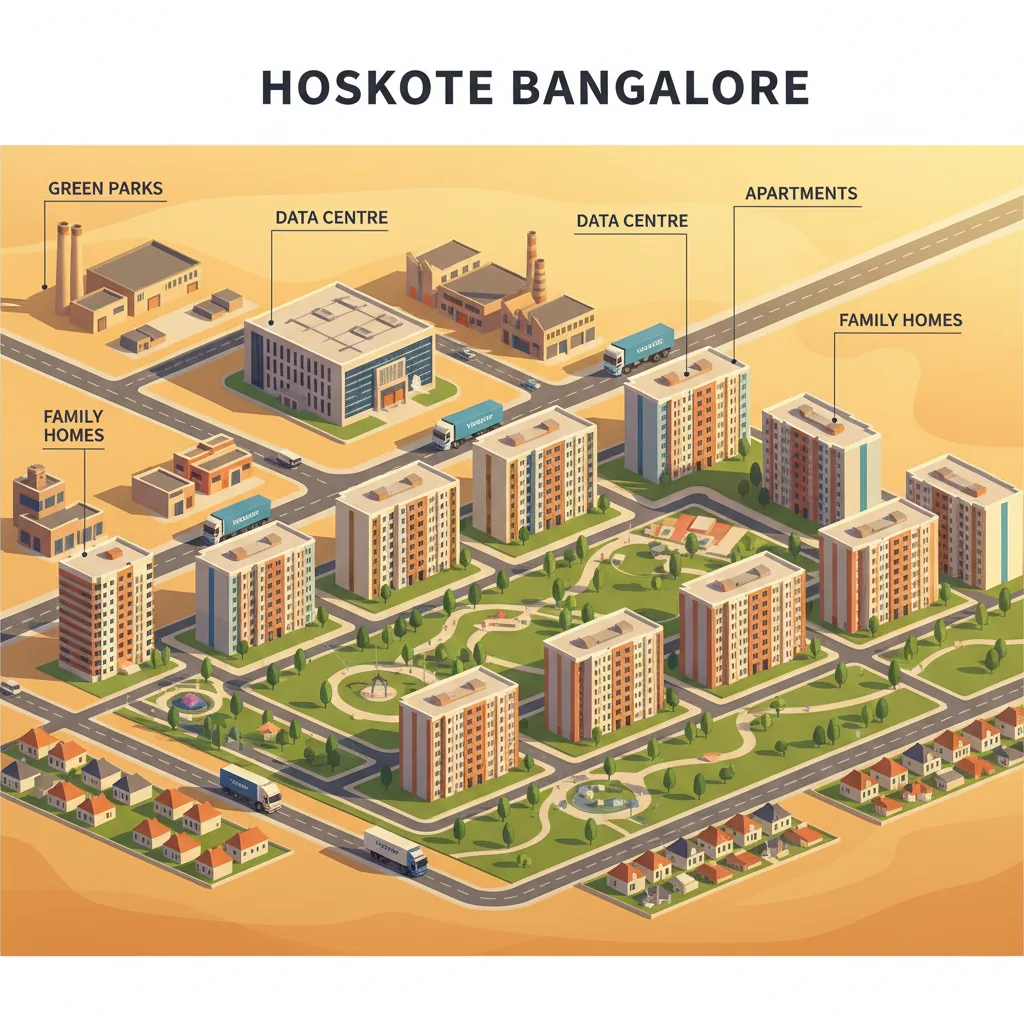
To easily understand how the Bangalore property market works today, look at Sobha One World in the Hoskote area. This massive project is exactly what modern buyers are looking for in 2026.
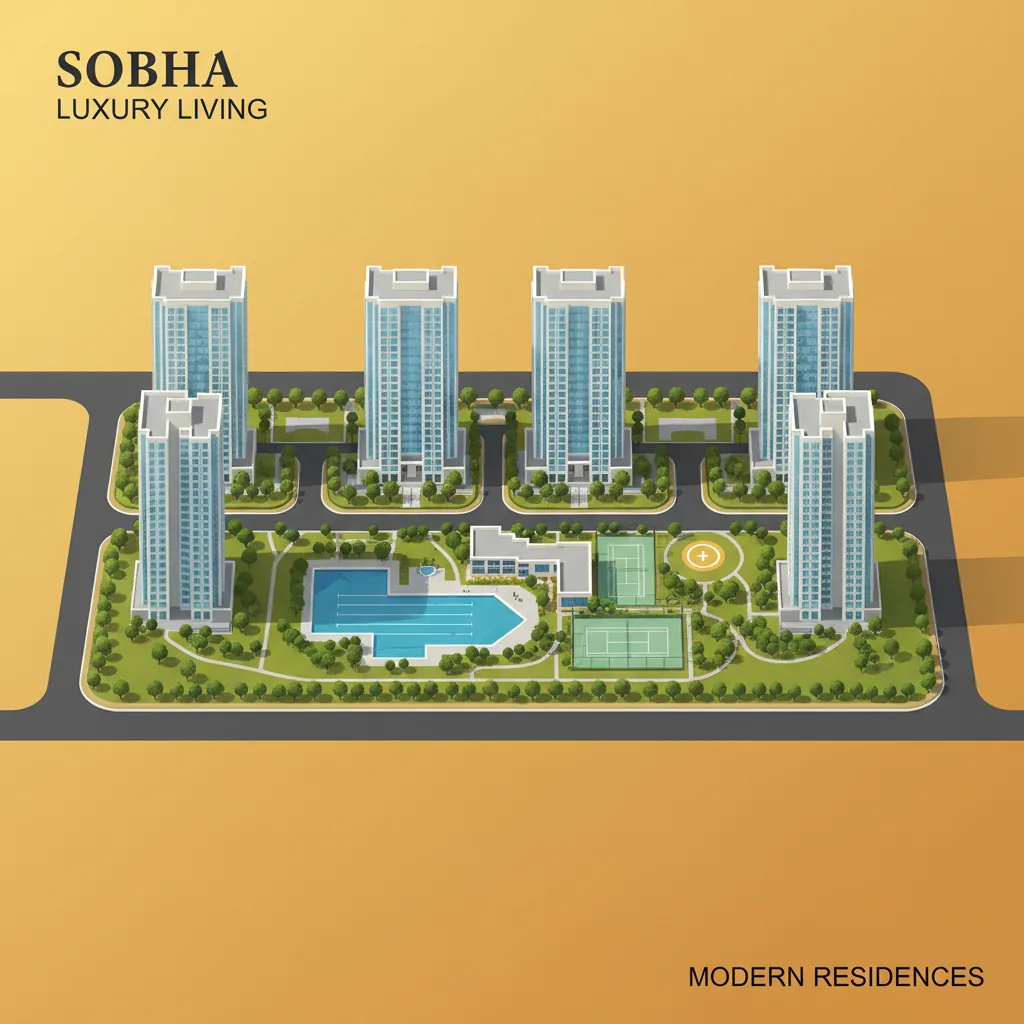
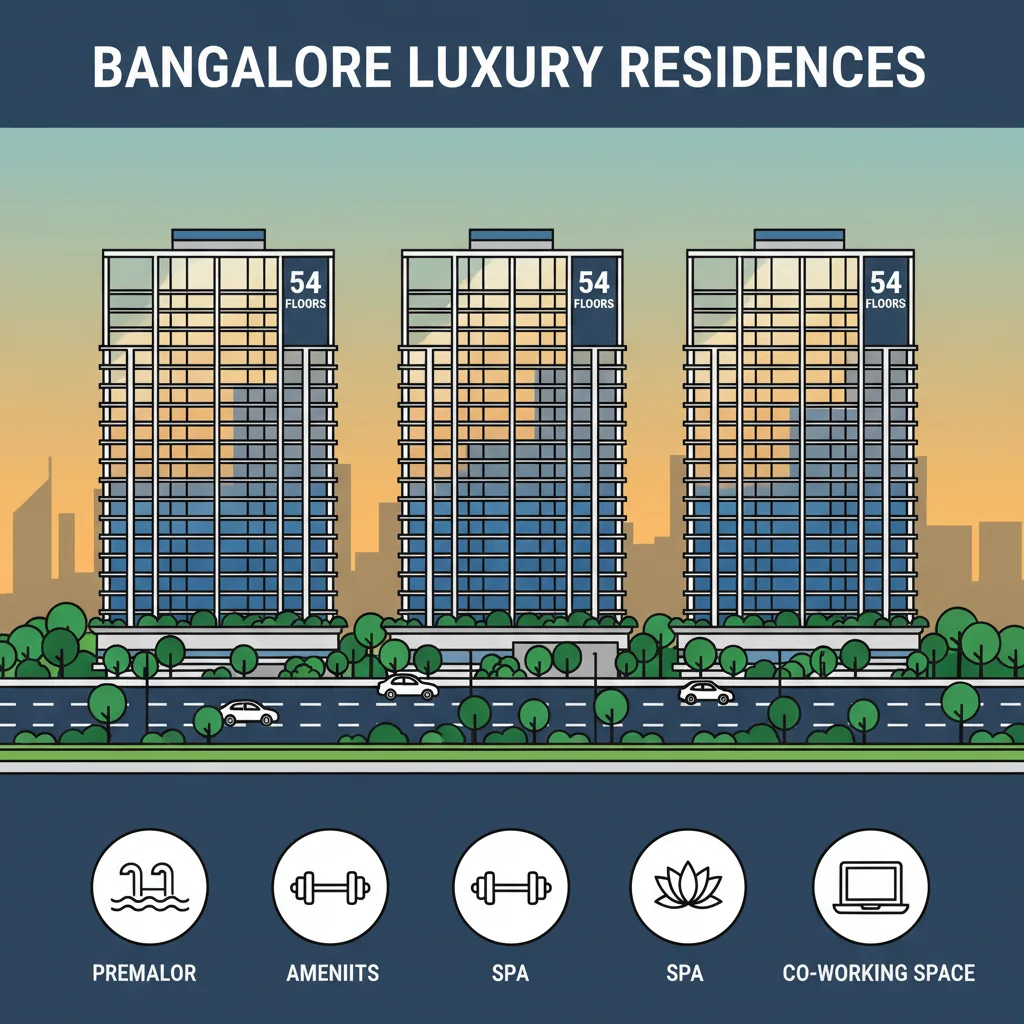
Because inner tech areas like core Whitefield are getting too crowded, top developers are launching self-contained "mega-townships" along the outer highways. This project spreads across a giant 300-acre layout and features grand skyscrapers that go up to 54 stories high.
Instead of cramming buildings close together, the builder left 75% of the land completely open for green nature parks and lakeside walking tracks. With prices starting at ₹1.09 Crore, it proves that today's buyers prefer resort-style luxury—complete with a giant 75,000 sq. ft. clubhouse and its own shopping street—so they can avoid central city traffic entirely.
Current Real Estate Market Matrix (Mid-2026)
| Region Pocket | Market Growth Type | Average Price Range (Per Sq. Ft.) | Rental Market Condition |
|---|---|---|---|
| East Sub-Market (Whitefield / Panathur) | Heavy Tech Corridors | ₹9,500 — ₹13,000+ | Very High Demand; 4.5% Returns |
| North Sub-Market (Hebbal / Devanahalli) | Airport-Led Growth | ₹8,500 — ₹12,000 | Steady Growth; High Plot Demand |
| Emerging Highways (Hoskote Belt) | Suburban Mega-Townships | ₹5,500 — ₹7,500 | Growing Fast; High Resale Potential |
Key Market Drivers Behind the Price Surge
The "Transit Multiplication" Effect
Property values always follow public transport. The extended Namma Metro lines and the new open sections of the Satellite Town Ring Road (STRR) highway have completely changed how people travel. Outer neighborhoods that used to feel too far away are now connected directly to tech hubs and the airport, causing nearby land prices to shoot up.
The Land Ownership Trend
While high-rise apartments are still a favorite for families, a growing number of buyers now prefer buying plots of land. Buying land inside a secure, branded community gives you more freedom to build your own way, features lower monthly maintenance bills, and offers excellent long-term profit because open land is running out fast.
The Legal Safety Premium: In 2026, Bangalore buyers are playing it very safe. Independent buildings with confusing legal papers are losing value quickly. On the other side, projects with clear K-RERA approvals and clean civic land titles command a 15% to 20% higher price on the resale market because buyers know their money is completely secure.

 24/7 Support
 Free Site Visit
 Unmatched Price