
Rental Yield in Hoskote Apartments
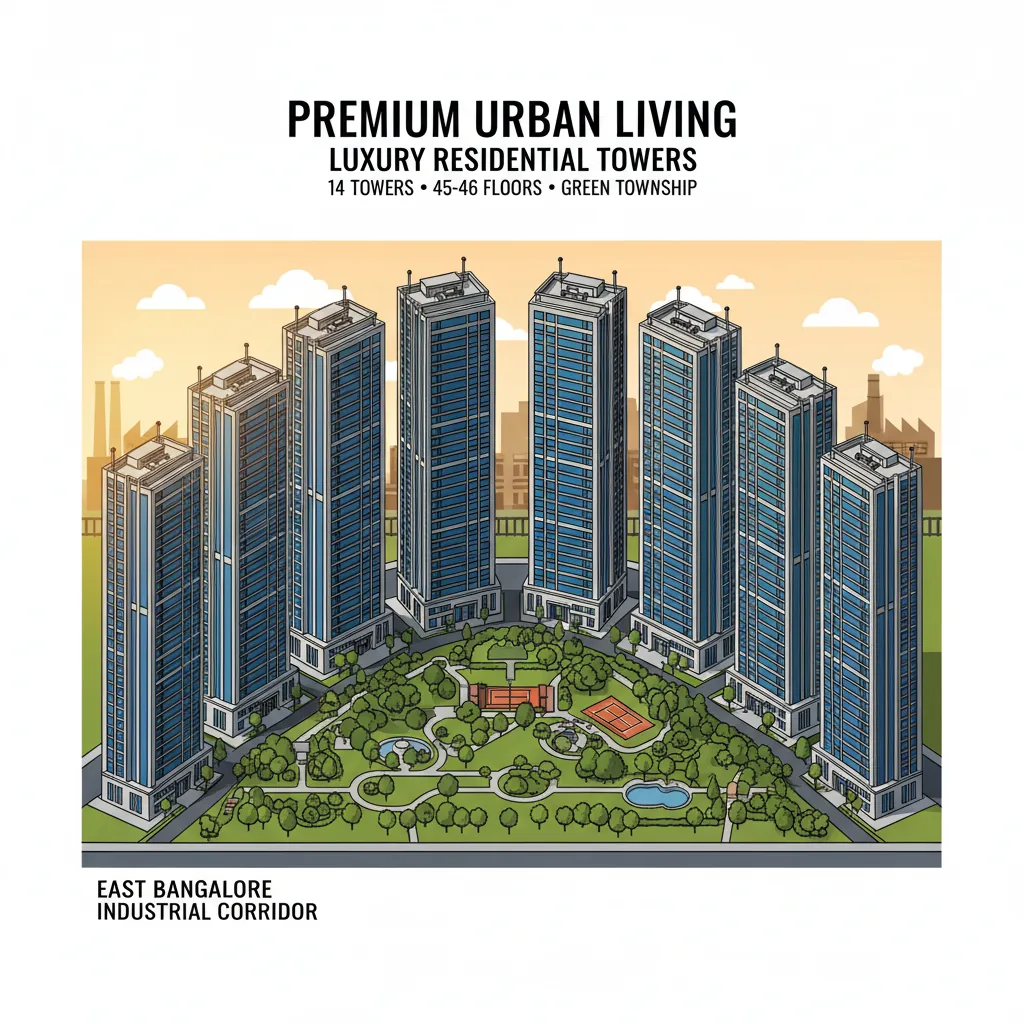
The average gross rental yield in Hoskote apartments ranges consistently between 3.0% and 4.5% annually, positioning this micro-market as one of East Bangalore's most resilient passive income zones due to its lower capital entry prices compared to neighboring IT hubs like Whitefield. While mature areas like Whitefield require high capital outlays that compress percentage returns, Hoskote offers a smart sweet spot. Investors spend less upfront cash to acquire a property, yet they enjoy strong, steady rental demand driven by the massive local automotive and manufacturing workforce.
The Core Drivers Behind Hoskote’s Rental Boom
Understanding what keeps occupancy high is key to calculating true rental returns. Hoskote has evolved from a rural highway boundary into a self-sustaining suburban ecosystem.
- The Whitefield Spillover Effect: With rental prices inside Whitefield soaring past comfort levels for mid-level tech professionals, a significant portion of the workforce is migrating outward along the Old Madras Road (NH-75) corridor.
- The KIADB Industrial Strength: Hoskote is bordered by major industrial areas that host global employers like Volvo, Honda, and several aerospace enterprises. This creates an immediate, non-IT tenant base consisting of manufacturing engineers, plant managers, and corporate administrative staff.
- Massive Infrastructure Convergence: The operational Satellite Town Ring Road (STRR) and the proposed Purple Line Metro extension into Hoskote ensure that tenants can live affordably while maintaining fast, predictable commutes to the rest of Bengaluru.
Rental Yield Matrix by Apartment Configuration
Different apartment layouts yield different results. Compact homes typically command higher percentage yields, while larger premium configurations offer long-term asset security and capital appreciation.
| Apartment Type | Average Purchase Price (2026) | Average Monthly Rent | Expected Annual Gross Rental Yield | Best Tenant Demographics |
|---|---|---|---|---|
| 1 BHK Compact | ₹45 Lakhs – ₹60 Lakhs | ₹10,000 – ₹14,000 | 4.0% – 4.5% | Single professionals, junior manufacturing engineers |
| 2 BHK Standard | ₹65 Lakhs – ₹90 Lakhs | ₹16,000 – ₹24,000 | 3.5% – 4.0% | Working couples, young corporate families |
| 3 BHK Premium | ₹95 Lakhs – ₹1.4 Crores | ₹25,000 – ₹35,000 | 3.0% – 3.5% | Senior managers, families wanting luxury amenities |
| A-Grade High-Rise (e.g., Sobha / Prestige) | ₹1.09 Crores – ₹2.5 Crores | ₹30,000 – ₹55,000 | 3.2% – 3.6% | High-earning IT professionals, corporate expats |
Branded Townships vs. Standalone Buildings
For an investor aiming to maximize rental income, the choice of property type changes everything.
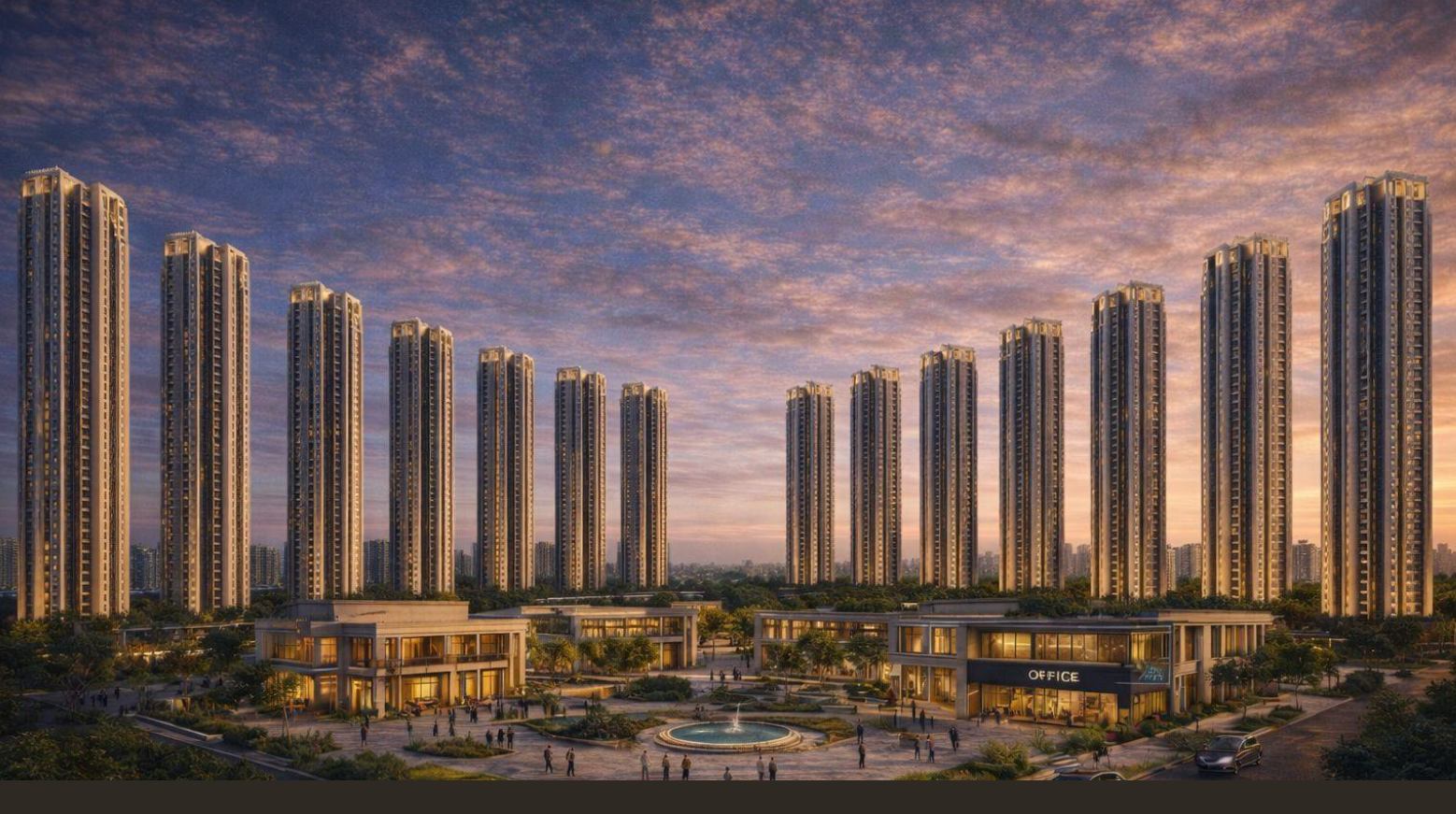
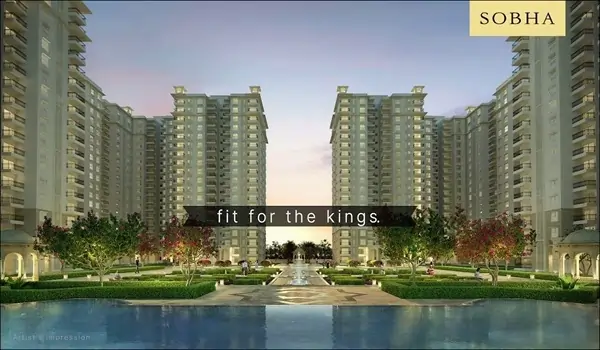
The Brand Premium: Modern tenants in Bangalore do not just rent walls; they rent a lifestyle. A-grade properties by elite developers—such as the landmark 300-acre Sobha One World township or upcoming high-rises —command a 25% to 40% rental premium over standalone builder floors in the same pin code.
Standalone Apartments
These options feature lower monthly maintenance costs, but they experience higher vacancy risks. Tenants often move away once they require better safety setups, dedicated kids' play areas, or robust backup power networks.
Gated Integrated Communities
Large-scale luxury projects bring together extensive clubhouses, internal shopping markets, swimming pools, and top-tier security. Even though the initial purchase cost is higher, properties inside these complexes rarely sit empty. They attract premium corporate tenants who prioritize lifestyle quality and are willing to sign long-term leases with consistent annual rent hikes.
Strategy for Maximizing Rental Revenue in Hoskote
To hit the upper ceiling of the 4.5% rental yield spectrum, active investors use three distinct strategies:
- Focus on Semifurnished Fit-outs: Fully vacant flats take longer to rent. Spending a modest amount on modular wardrobes, high-quality kitchen cabinets, chimneys, and basic LED light fixtures can increase your monthly asking rent by ₹3,000 to ₹5,000.
- Target Properties Near Highway Junctions: Apartments located close to the Budigere Cross intersection or the main Hoskote Toll Plaza rent out much faster because they offer instant driving access to the highway.
- Monitor the RERA Timeline: Buying into the early pre-launch phase of a major project allows you to capture initial discounts, which artificially increases your rental yield percentage once the building is completed and handed over.

 24/7 Support
 Free Site Visit
 Unmatched Price