A Step by Step Guide to the 20:20:60 Payment Plan
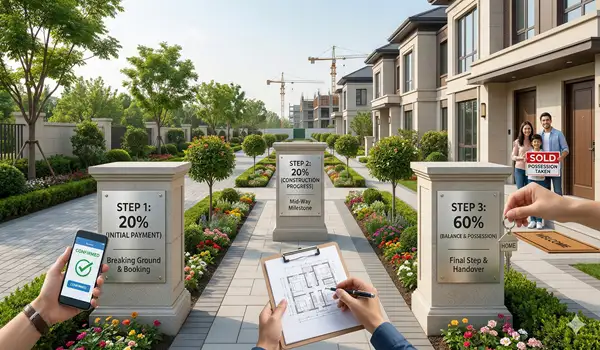
A 20:20:60 payment plan is a highly structured, buyer-friendly real estate payment scheme where you pay 20% of the property cost at the time of booking, another 20% during a major construction milestone (such as the completion of the superstructure), and the remaining 60% only upon taking final possession of the home. This specific plan is growing rapidly in popularity across major metropolitan real estate markets. It acts as an excellent financial cushion for homebuyers, allowing you to secure a premium asset without choking your monthly cash flow or drowning in immediate home loan EMIs while the building is still under construction.
Step-by-Step Breakdown of the 20:20:60 Plan
Navigating this deferred payment structure is straightforward when you break it down into its three distinct milestones. Here is exactly how your capital outflows are paced from the day of booking to the day you receive your keys:
Step 1: The Initial 20% Booking & Agreement Stage
This stage marks your formal entry into the property purchase. You select your preferred unit, floor, and facing during the initial launch or pre-launch window.
- The Payment: You pay a total of 20% of the property's agreement value. This is usually split into an initial token or booking amount (e.g., 10%), followed by the remaining balance upon signing the formal Agreement to Sell within 30 to 90 days.
- The Strategic Benefit: Paying this amount secures your unit and locks in early-bird or pre-launch pricing. It protects your investment from market price hikes as construction progresses.
Step 2: The 20% Mid-Construction Milestone
Unlike traditional construction-linked plans where you pay a small percentage for every single floor slab laid, this structure pauses your payment obligations for a significant period.
- The Payment: An additional 20% becomes due only when a major structural milestone is reached. In most tier-1 developments, this milestone is defined as the completion of the project’s main superstructure or structural framework.
- The Strategic Benefit: This is a "pay-as-you-see" checkpoint. You get to monitor real, tangible site progress before handing over another rupee, building high transparency and trust between you and the developer.
Step 3: The Final 60% Possession & Handover Stage
This is the final phase of your homebuying journey, where the largest portion of the property's value is settled.
- The Payment: The remaining 60% of the total cost is paid at the time of possession, once the developer has obtained the official Occupancy Certificate (OC).
- The Strategic Benefit: This stage gives you several years of construction time to pool your savings, liquidate other investments, or secure a highly competitive mortgage rate from banks without paying pre-EMIs for years.
Comparing Popular Real Estate Payment Structures
To understand why the 20:20:60 framework stands out, it helps to compare it directly against traditional payment timelines:
| Metric | Down Payment Plan | Construction-Linked Plan (CLP) | 20:20:60 Deferred Plan |
|---|---|---|---|
| Upfront Payment | 10% to 15% | 10% to 15% | 20% at Booking/Agreement |
| Mid-Term Outflow | 80% to 90% within 45–60 days | 5% to 10% per floor slab | 20% only at Superstructure |
| Possession Payment | Remaining balance (5%) | Final 5% to 10% at handover | 60% at Final Possession |
| Financial Risk | Highest risk if project is delayed | Moderate, tied to step-by-step work | Lowest risk for the homebuyer |
Case Study: The 20:20:60 Plan in Action at Sobha One World
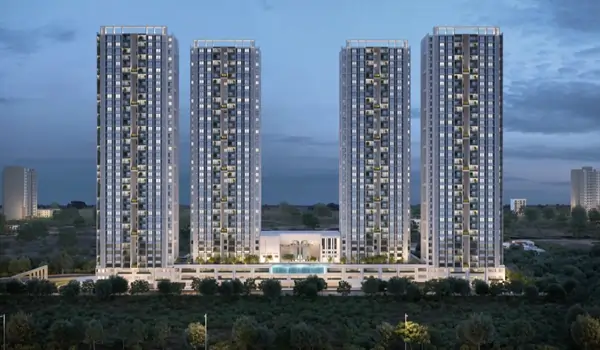
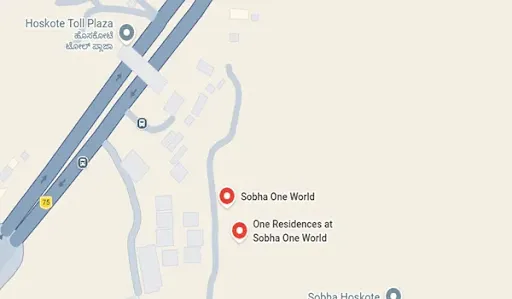
To understand how this works in the real world, look at major flagship developments like Sobha One World along the high-growth Whitefield-Hoskote corridor. For a massive 300-acre mega-township featuring ultra-luxury high-rise towers climbing up to 46 floors, the construction timeline naturally spans several years, with final handovers targeted closer to 2032.
Applying a 20:20:60 payment plan to a premium launch like Sobha One World completely changes the math for a buyer:
- The 20% Entry: On an entry-level layout priced at ₹1.09 Crores, you contribute roughly ₹22 Lakhs upfront. This locks in your early-bird base rate of ₹14,720 per square foot and secures your asset in Phase 1 ("One Residences").
- The 20% Structural Pause: You enjoy a long payment holiday while Sobha’s in-house engineering teams build up the massive 46-story concrete frame. You only pay the next 20% once that superstructure milestone is officially cleared.
- The 60% Capital Cushion: Because the final 60% is deferred all the way to possession at the end of the construction lifecycle, you gain a massive 6-year window to grow your investments or coordinate a bank loan—completely avoiding years of dual "Rent + Pre-EMI" outlays.
Key Financial Advantages for Homebuyers
The greatest psychological benefit of this plan is the complete elimination of "Rent + EMI" stress. Many homebuyers struggle to pay their monthly house rent while simultaneously managing heavy interest payments on a home loan for an under-construction property.
By keeping 60% of the total cost deferred until the very end, you avoid taking a massive bank loan on day one. You can continue living in your rented accommodation comfortably, utilizing the 3-to-5-year construction cycle to grow your wealth. Furthermore, because your final chunk is paid only when the project is fully completed and verified under RERA guidelines, your overall capital risk is kept to an absolute minimum.
Frequently Asked Questions
1. Can I use a bank home loan to fund a 20:20:60 payment plan?
Yes. Major nationalized and private banks readily finance properties offering the 20:20:60 plan. The bank will review your eligibility, verify the developer's RERA approvals, and disburse the 20% mid-term slab and the final 60% possession amounts directly to the builder based on the demand letters.
2. Are mandatory costs like stamp duty and registration included in the 20:20:60 split?
No. The 20:20:60 ratio applies strictly to the basic sale value or agreement value of the apartment. Statutory government charges, such as stamp duty, registration fees, and local property taxes, must be paid separately closer to the registration and possession dates.
3. What happens if the developer delays the construction milestones?
Your financial interests are fully protected under this plan. Since the second 20% and final 60% payments are legally tied to verified construction milestones, you are under no obligation to pay if the builder does not hit those physical structural targets on-site.
4. Do developers charge a premium price for choosing a 20:20:60 plan over a down payment plan?
Sometimes yes. Developers often offer their deepest discounts on traditional down-payment plans because they receive all the cash upfront. While the base per-square-foot rate might be slightly higher for a 20:20:60 scheme, the savings you make by avoiding years of bank loan interest easily outweigh the initial price difference.
5. Can I opt out or sell my property before the final 60% payment is due?
Yes, this is known as a transfer or resale of an under-construction property. You can find a buyer to take over your active booking ledger. However, you will need to obtain a No Objection Certificate (NOC) from the developer, and standard nominal transfer charges may apply based on your builder-buyer agreement.
6. Is the 20:20:60 payment plan fully legal and compliant with RERA?
Yes, this plan is fully compliant with RERA regulations. RERA mandates that developers cannot collect more than 10% of the property cost without a registered agreement. Since the full 20% milestone is collected alongside or after signing the legal builder-buyer agreement, it fits perfectly within the lawful framework.
7. Who is the ideal profile of an investor for a 20:20:60 payment plan?
This plan is tailor-made for salaried corporate professionals who live in rented houses and want to avoid paying rent and EMIs together. It is also an excellent vehicle for real estate investors who want to maximize their capital leverage by locking in a luxury asset like Sobha One World using minimal out-of-pocket capital during the core construction phase.