Sustainability at Sobha One Residences: Green Building Practices in the 48-Acre Layout
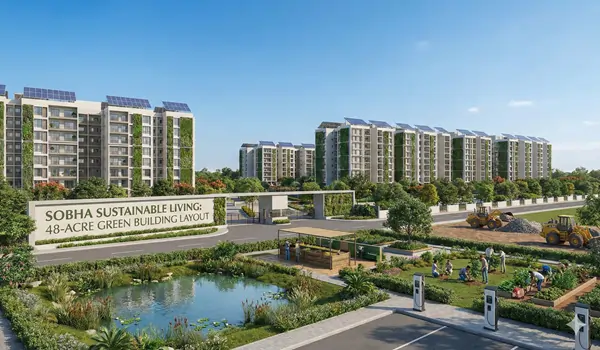
Sustainability at Sobha One Residences: Green Building Practices in the 48-Acre Layout is changing how we look at modern apartment living in East Bangalore. Usually, when we think of massive housing projects, we picture endless concrete, crowded blocks, and disappearing trees. Sobha Limited is turning that idea upside down near Hoskote. By spreading out the project across a giant 48-acre campus, they have shown that luxury flats can actually live in harmony with nature. Instead of building short, wide blocks that block out the sun, they have gone vertical with tall towers. This leaves the ground free for trees, parks, and eco-friendly systems that save water and power every single day.
Let us take a simple look at how this beautiful township protects the planet while giving you a healthier, happier place to live.
The Master Plan: Giving More Room to Nature
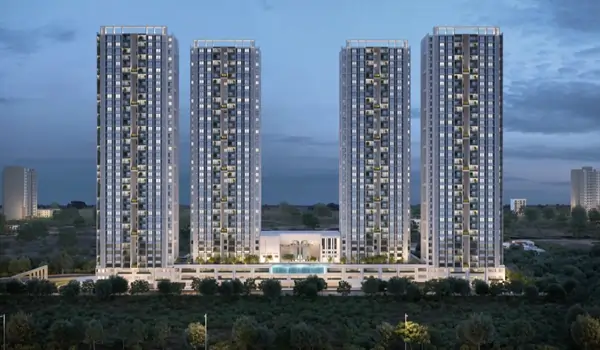
When you walk into the 48-acre layout, the first thing you notice is how open it feels. The builders decided not to cover the entire ground with buildings. Instead, they built 14 tall towers that shoot up to 47 floors. Because the buildings go up instead of sideways, most of the land is left completely open.
- Cooler Summers: All the parks and themed gardens act like the "lungs" of the colony. Because of all the greenery, the air temperature inside the gates is usually 2°C to 3°C cooler than the hot, dusty roads outside.
- Space to Breathe: There are special zen gardens, walking paths, and play lawns. This means children and grandparents can enjoy clean, fresh air without worrying about heavy traffic.
Smart Water Management: Saving Every Single Drop
Water shortage is a major worry for anyone buying a home in Bangalore today. To solve this, Sobha One Residences treats water like pure gold. They do not just rely on city water or borewells; they recycle and reuse almost everything.
1. Catching the Rain
The wide roofs of all 14 high-rise towers act like massive umbrellas. During the monsoon, rainwater is caught, filtered through smart systems, and sent down to huge underground storage tanks. This water is perfectly clean and ready for daily household chores.
2. Spongy Roads
Have you ever seen water pooling on city roads after a heavy downpour? Here, the internal roads are made with special porous blocks. These blocks act like a sponge. Instead of letting rainwater flood the street or run into dirty drains, they let the water sink straight into the ground. This refills the natural groundwater level below the soil.
3. Recycled Water for the Gardens
The township features its own Sewage Treatment Plant (STP). The wastewater coming out of kitchens and bathrooms is completely cleaned using modern filters. While you do not drink it, this recycled water is perfect for flushing toilets and keeping the massive lawns lush and green.
Saving Power with Smart Design
Living in a green building does not mean you have to compromise on comfort. It just means the buildings are designed wisely to use less electricity.
- Using the Sun and Wind: The towers are angled perfectly according to the local wind patterns and the movement of the sun. This means your rooms get plenty of bright morning light and a steady breeze, so you do not have to keep the fans and lights switched on all day long.
- Solar Energy on the Roofs: The clubhouse and streetlights do not run entirely on the regular electricity board. Large solar panels are fixed on the roofs to trap sunlight and turn it into clean power for all the common areas.
A Zero-Waste System: Keeping the Campus Clean
Managing trash from hundreds of flats is a massive task. If you just throw everything into a common bin, it ends up polluting the city's landfills. Sobha One uses a strict division system to handle waste properly:
| Type of Trash | What Happens to It? | Why It Helps |
|---|---|---|
| Wet Waste (Kitchen Scraps) | Put into special machines called Organic Waste Converters. | It turns into rich, natural fertilizer for the township's plants. |
| Dry Waste (Plastic & Paper) | Sorted out completely and sent to government-approved recycling centers. | Keeps harmful plastic from dumping fields. |
| Hazardous Waste (Batteries & Electronics) | Collected in separate, safe bins. | Prevents dangerous chemicals from leaking into the soil. |
Better Health and Smarter Transport
The township is built to make a healthy lifestyle come naturally to you.
First, all the parking is moved down into three massive basement levels. This means the ground level is completely free of cars. Your kids can run around safely, and you will not have to breathe in vehicle exhaust smoke while taking an evening stroll.
Second, if you own an electric scooter or car, you do not have to worry about running out of battery. Every basement parking zone comes equipped with EV charging sockets, making it easy to shift to clean transport. Finally, even the paints used inside the flats are special low-chemical variants, which keeps the indoor air safe and toxin-free for babies and pets.
The Big Picture: A Smart Choice for Tomorrow
Investing in a home at Sobha One Residences is not just about buying a beautiful flat. It is about choosing a smart, responsible lifestyle. By using solar power, recycling water, and creating huge green zones, the township protects our natural resources. For you as a homeowner, this means much lower monthly maintenance bills, plenty of water, and a peaceful, healthy environment where your family can grow up safely.
Frequently Asked Questions (FAQs)
1. What is the main idea behind sustainability at Sobha One Residences?
The main goal is to build a modern township that saves natural resources. By using eco-friendly steps like rainwater harvesting, solar power, and organic waste recycling within the 48-acre layout, the project reduces pollution and helps residents live a healthier lifestyle.
2. How much open green space do we get in the 48-acre layout?
Around 65% to 75% of the total 48-acre land is completely open and filled with trees and gardens. The builder achieved this by building tall, vertical towers instead of sprawling concrete structures across the ground.
3. How does this project handle the water shortage problem in Bangalore?
The project uses three smart steps: it catches rainwater from the roofs, lets storm water sink into the soil through porous roads, and recycles domestic wastewater through an on-site treatment plant for flushing and gardening.
4. What energy-saving features are built into the township?
The towers are shaped to let in maximum natural light and wind, reducing the need for ACs. Also, solar panels are installed on roofs to power common lights and the clubhouse, which saves a lot of electricity.
5. What happens to the daily trash generated by the families?
Residents separate their trash into wet and dry bins. The wet kitchen waste goes into organic converters to turn into fertilizer for the campus gardens, while dry waste like plastic and paper is sent away to professional recycling units.
6. Can I charge my electric vehicle inside the apartment complex?
Yes, absolutely! The township is fully ready for the future. Every basement parking level has dedicated EV charging plug points so that residents can charge their electric cars and scooters easily.
7. Do these green practices reduce our monthly maintenance bills?
Yes, they do. Because the township generates its own solar power for streetlights and recycles its own water for gardens and flushing, the community depends much less on outside water tankers and the government electricity grid. This brings down the monthly maintenance charges for every flat owner.