The Senior Citizen's Guide to Safety and Wellness in High-Rise Townships
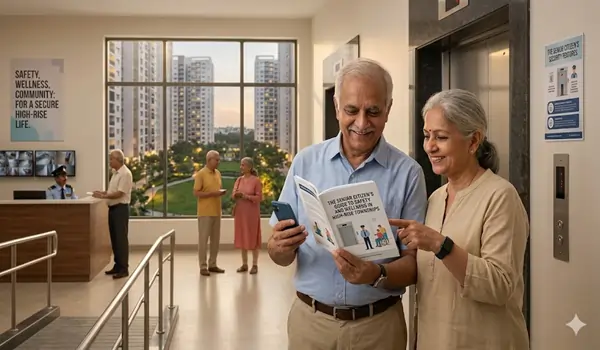
A senior citizen's guide to safety and wellness in high-rise townships focuses on essential architectural features, community-driven healthcare, and accessibility standards that empower older adults to live independently and securely in vertical residential communities. Moving from a traditional independent house or a low-rise building to a high-rise tower can feel like a major shift for elderly family members. However, modern mega-townships are completely redefining retirement by integrating age-friendly engineering directly into their master plans.
For families evaluating real estate options, understanding how a high-rise project addresses the physical, emotional, and medical needs of older citizens is paramount to making a safe, long-term property investment.
1. Architectural Safety: Eliminating Structural Hazards
Vertical living presents distinct structural challenges for senior citizens, making intentional, age-inclusive design non-negotiable. Top-tier developers use deliberate engineering features to reduce risks and ensure absolute mobility:
- Zero-Skid and Level Flooring: Elite high-rise configurations avoid internal steps or sudden level shifts. Bathrooms, kitchens, and private balconies utilize high-grade, anti-skid ceramic or vitrified tiles to minimize the risk of slips and falls.
- Smart Lift Cores with Extended Dwell Times: In high-rise towers, elevators are the primary transit lifeline. Modern vertical projects feature advanced, gearless smart elevators equipped with specialized sensors that keep doors open longer for individuals using walking frames or wheelchairs, alongside full power backup systems.
- Ergonomic Fixtures: Standard units are increasingly upgraded with wider doorway profiles (minimum 900mm), low-threshold sliding balcony doors, anti-panic internal door locks that can be opened from the outside in an emergency, and grab-bar reinforcements in bath spaces.
2. On-Site Healthcare and Emergency Response Systems
True wellness for seniors relies heavily on the speed of medical attention. Master-planned townships solve the problem of city traffic delays by housing medical infrastructure inside the gates.
- Integrated Panic Alarms: Modern smart apartments incorporate emergency panic switches or pull-cords located at low heights in both master bedrooms and bathrooms, linking directly to the main security command center.
- On-Campus Telehealth and Clinics: Premium, multi-acre communities often feature dedicated doctor-on-call rooms, tying up with nearby multi-specialty hospitals to provide routine health check-ups, diagnostic services, and immediate first-aid care without requiring residents to step outside the property.
3. Dedicated Wellness and Social Infrastructure
Beyond physical safety, emotional health and community engagement are vital components of senior citizen wellness. High-rise townships combat the isolation often associated with apartment living through dedicated outdoor and indoor infrastructure.
Integrated townships encourage regular social interaction by building multi-purpose community spaces. They include dedicated senior citizen lounges inside massive clubhouses, yoga decks, outdoor amphitheaters, and community gardening patches where older adults can connect with peers in a safe environment.
4. Sobha One World: Setting a New Benchmark for Senior Safety
When looking at real-world applications of senior-focused township design, Sobha One World in Hoskote, East Bangalore, serves as a prime model. Spanning a massive 300-acre master plan with iconic 47-story residential high-rises, this project demonstrates how vertical communities can perfectly adapt to eldercare needs.
- 75% Open Greenery and Clean Air: By leaving three-quarters of the land dedicated to nature, the township creates a massive pollution-free microclimate. Living on the higher floors of these towers positions older residents far above ground-level vehicular smoke, offering exceptionally clean air that helps seniors with respiratory sensitivities.
- Dedicated Senior Citizen Zones: The project features a beautifully structured Senior Citizen seating park, quiet zones, handrail-assisted reflexology tracks, and specialized walking paths that are kept 100% vehicle-free. This separates active pedestrian zones from vehicle transit, giving older adults absolute peace of mind.
- Advanced Multi-Tier Surveillance: For elderly individuals living independently, Sobha One World incorporates video door phones in every unit, restricted smart-card access, and 24/7 continuous CCTV tracking across elevator interiors and corridor floors to ensure total domestic security.
Frequently Asked Questions
1. Are high-rise apartments safe for senior citizens during emergencies like fires or power outages?
Yes, modern high-rise townships follow strict National Building Code (NBC) guidelines. They are equipped with automatic fire sprinkler systems, public address announcements, dual fire-escape staircases with pressurization fans to keep smoke out, and heavy-duty power backup systems that keep elevators and common area lights running seamlessly during grid failures.
2. How does Sobha One World accommodate older residents in its high-rise towers?
Even though the residential towers at Sobha One World feature 45 to 47 floors, the township is engineered for multi-generational safety. The project features 100% vehicle-free ground zones, separate senior citizen relaxation areas, high-speed smart elevators with smooth acceleration, and expansive, tranquil gardens allowing older residents to enjoy clean, dust-free air away from street-level noise.
3. What essential bathroom modifications should a senior-friendly high-rise unit have?
A senior-friendly bathroom should include anti-skid floor tiles, wall-mounted heavy-duty grab bars near the shower area and water closet, a wall-hung or folding shower seat, single-lever faucets that are easy to turn, and a wide, flush entrance threshold to avoid tripping.
4. How do master-planned townships tackle senior citizen isolation?
Integrated townships encourage regular social interaction by building multi-purpose community spaces. They include dedicated senior citizen lounges inside massive clubhouses, yoga decks, outdoor amphitheaters, and community gardening patches where older adults can connect with peers in a safe environment.
5. Can a senior citizen navigate the massive campus of a 300-acre township easily?
Yes, large townships manage their internal transit through continuous, well-mapped pedestrian walkways that feature zero steps or steep inclines. Many premium projects supplement this by providing quiet, eco-friendly internal golf carts or electric shuttles to ferry senior residents comfortably between their towers, the retail high street, and the clubhouse hubs.
6. Why is air quality better for seniors living on higher floors of a township?
Living on upper residential floors positions residents well above the heavy ground-level blanket of vehicular smoke and road dust. The air is notably cleaner and cooler, and the significant reduction in street-level noise pollution supports better sleep patterns and psychological well-being.
7. What type of security systems safeguard elderly residents who live independently?
Townships utilize multi-tier security ecosystems. This includes RFID-controlled boom barriers at main gates, mandatory visitor authentication via video door phones or mobile apps, 24/7 CCTV tracking of elevator interiors and corridor floors, and physical security patrolling to protect vulnerable residents from unauthorized access.
Blog
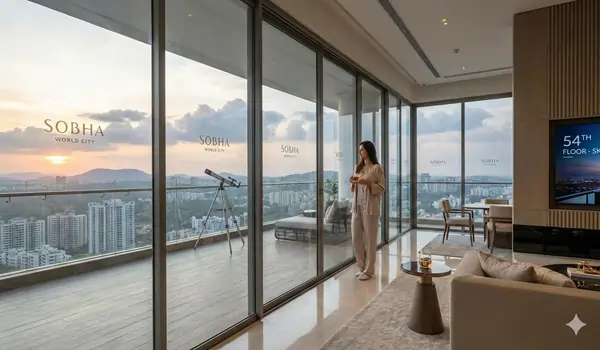
Living in the Sky: Life on the 54th Floor
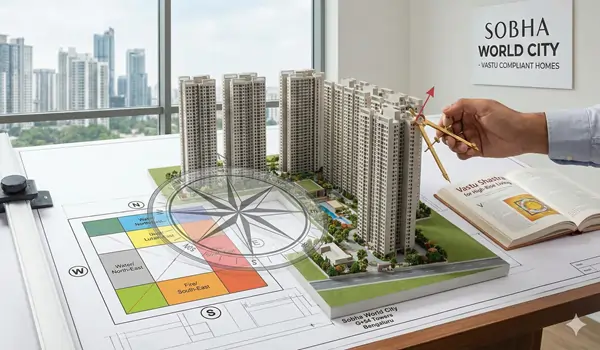
Vastu Shastra Compliance in G+54 Floor Towers
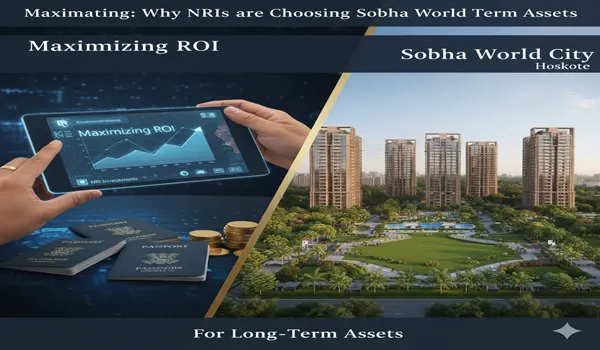
NRI ROI Guide: Sobha One World Hoskote
Smart Home Living & Tech Integration
Sustainability & Green Building Practices
Sobha Limited Projects in Thrissur 2026
Sobha Limited Projects in Thiruvananthapuram 2026
Sobha Limited Projects in Kozhikode 2026
Sobha Limited Projects in Pune 2026
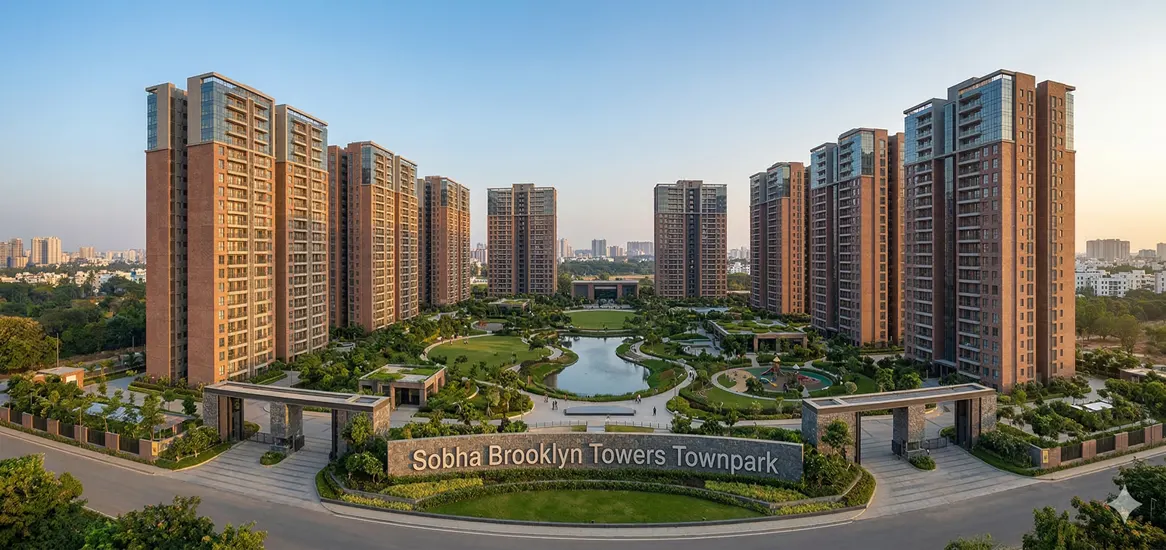
Sobha Brooklyn Towers Townpark
Sobha Insignia
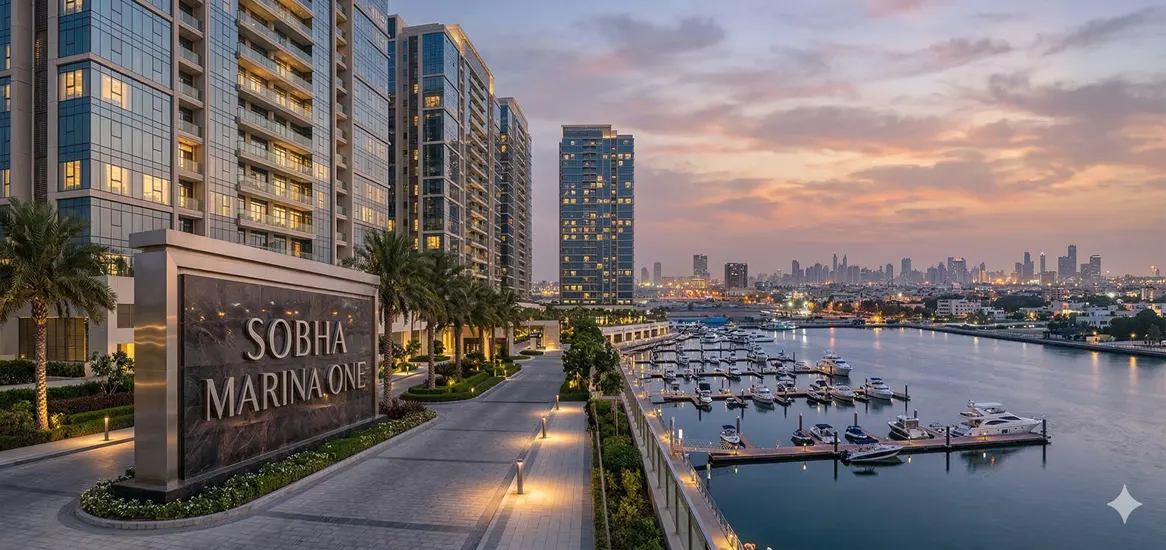
Sobha Marina One
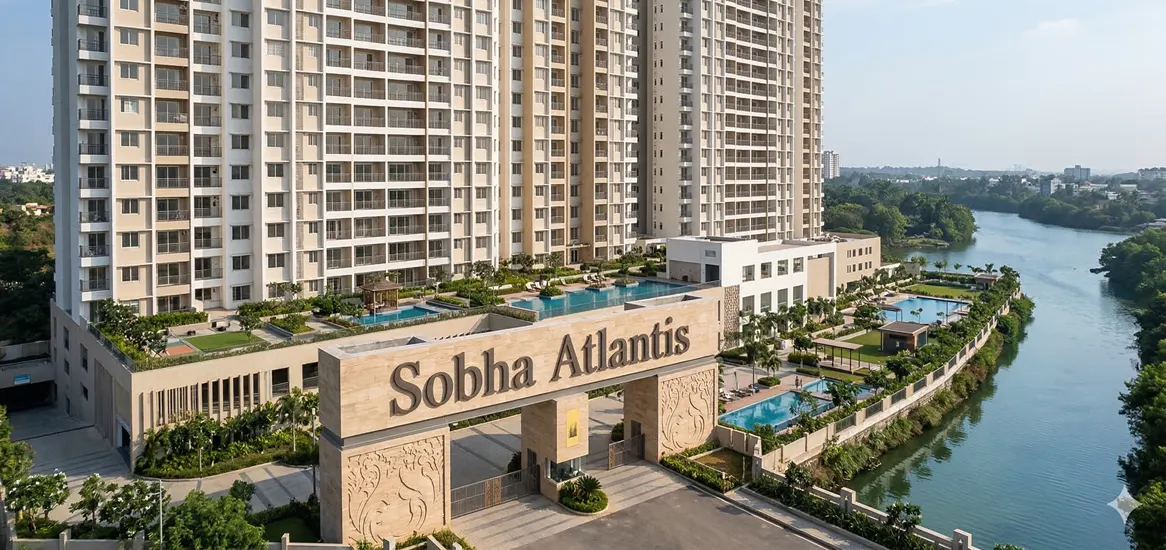
Sobha Atlantis
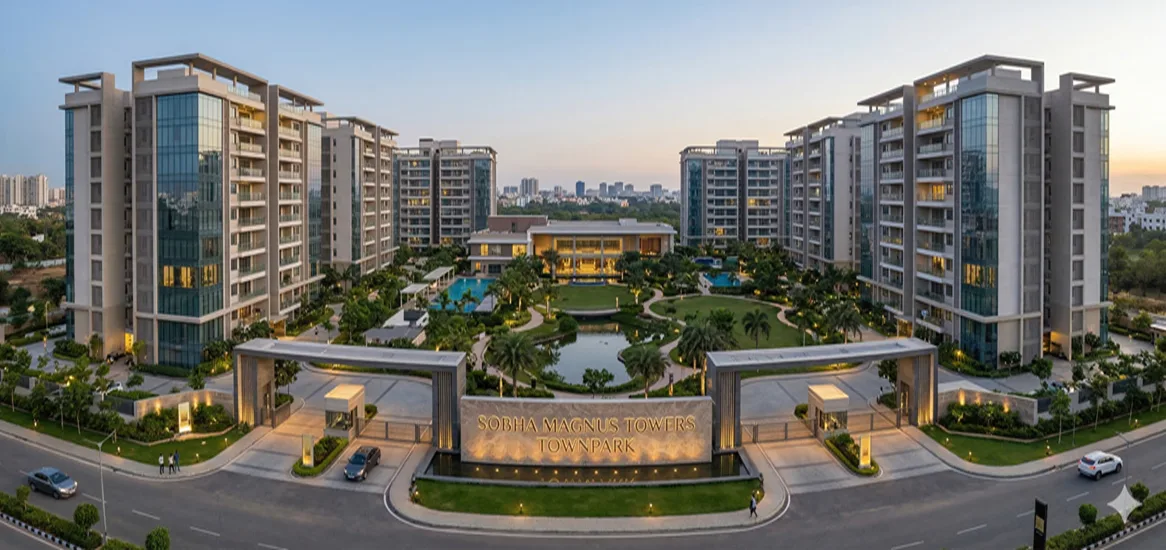
Sobha Magnus
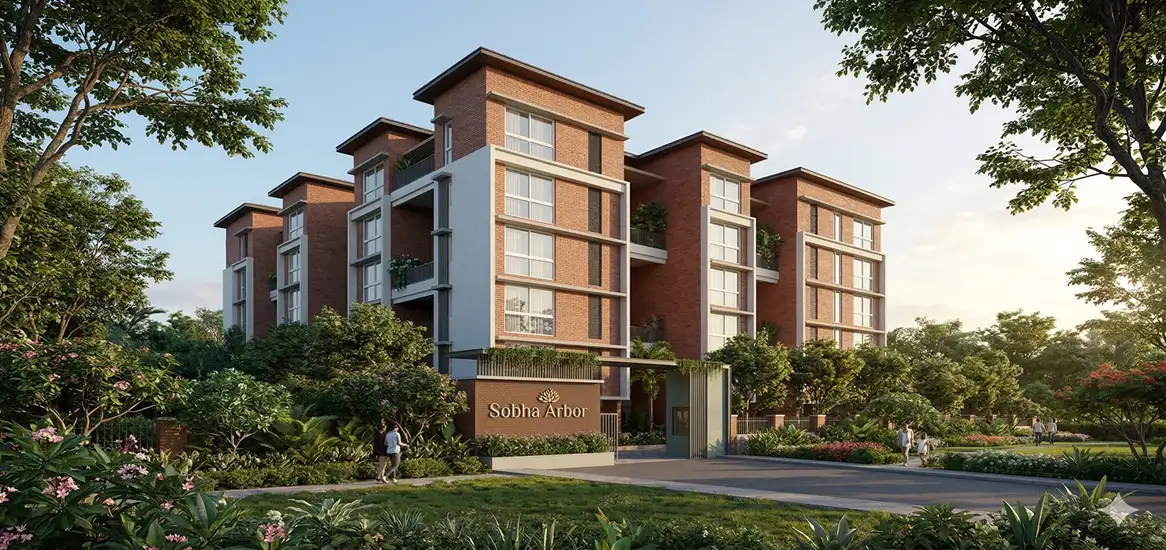
Sobha Arbor
Sobha One World Delhi Projects
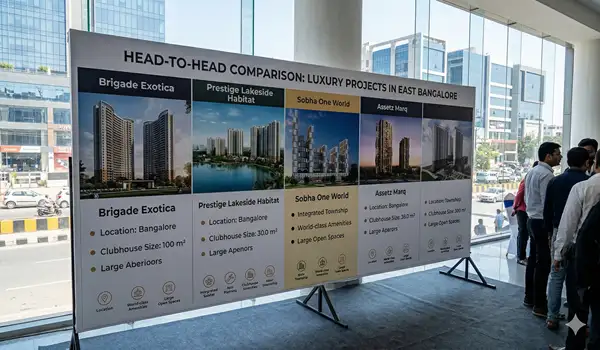
Sobha One World vs. Top Competitors: A head-to-head comparison with other luxury projects in East Bangalore
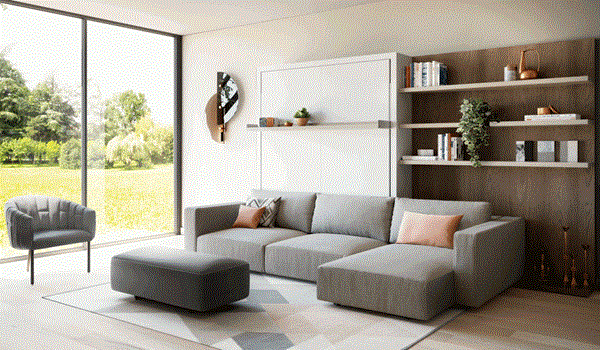
Space-Saving Furniture Solutions for Modern 2 BHK & 3 BHK Sobha Units
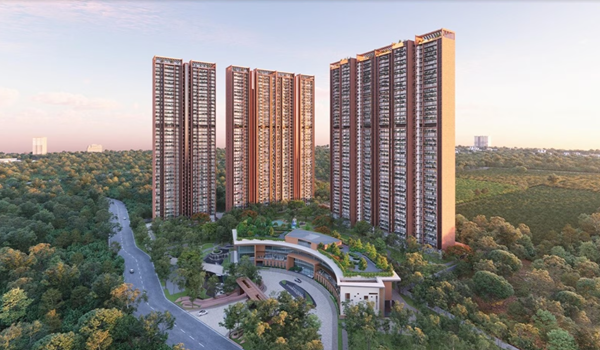
Sobha One World vs Sarjapur: Why Smart Money is Moving Towards Neo-Whitefield