
The Story of Old Madras Road?
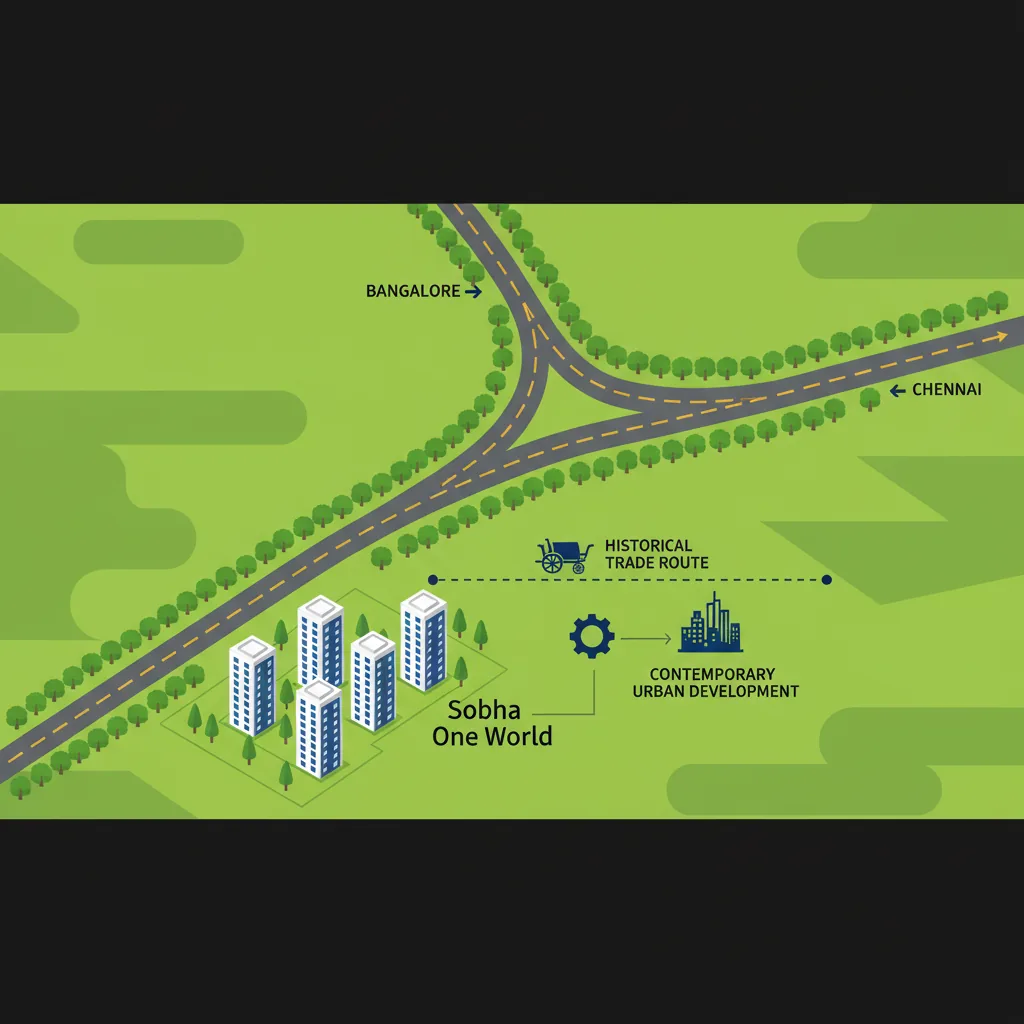
Before it transformed into a bustling artery of Bengaluru—packed with towering apartments, tech hubs, and the hum of the Namma Metro—Old Madras Road was a quiet, dusty trade route carved out by history. In the 1800s, this vital stretch served as the primary lifeline connecting the historic Kingdom of Mysore to the colonial port city of Madras (now Chennai). What began as a strategic military path for British soldiers eventually became the catalyst for Bengaluru's massive evolution, driving its rise from a manufacturing powerhouse into the Silicon Valley of India.
For anyone looking to buy a home or just curious about Bangalore, seeing how this road grew tells us the story of the city itself.
The British Days: A Path for Soldiers and Traders
Two hundred years ago, Old Madras Road looked nothing like it does today. It was built out of pure necessity.
- Military Moves: In 1806, after winning wars against Tipu Sultan, the British army set up a huge base called the Cantonment area in Bangalore. They needed a direct way to send messages and troops to their main seaside headquarters in Madras. That is how this road came to life.
- Old Hubs Grow: Because people and goods were always moving along this route, older areas like Ulsoor and KR Puram naturally grew into busy stopping points.
The Factory Era: Giving People Jobs
After India became independent in 1947, the government wanted to build big factories. Since Old Madras Road was already a wide, well-connected highway, it became the perfect spot for India's earliest tech and manufacturing companies.
- Famous Factories: Massive government companies like ITI (Indian Telephone Industries) set up their campuses right on this road.
- New Neighborhoods: Thousands of workers moved here with their families. Suddenly, the area needed schools, grocery markets, and small houses. This was the start of the lively residential neighborhoods we see today.
The Tech Explosion and Modern High-Rises
In the late 1990s, Bangalore started transforming into India's IT capital. Once again, Old Madras Road found itself right in the middle of all the action.
1. The Gateway to Whitefield
When the famous ITPL tech park opened up in Whitefield, techies needed a way to get there from the center of the city. Old Madras Road became that vital link.
2. The Hanging Bridge and Metro
To fix the massive traffic jams, the government built the iconic KR Puram Hanging Bridge in 2003. A few years later, the Namma Metro Purple Line arrived. Suddenly, people could travel from their homes on Old Madras Road to places like Indiranagar or MG Road in just a few minutes.
3. Vertical Townships
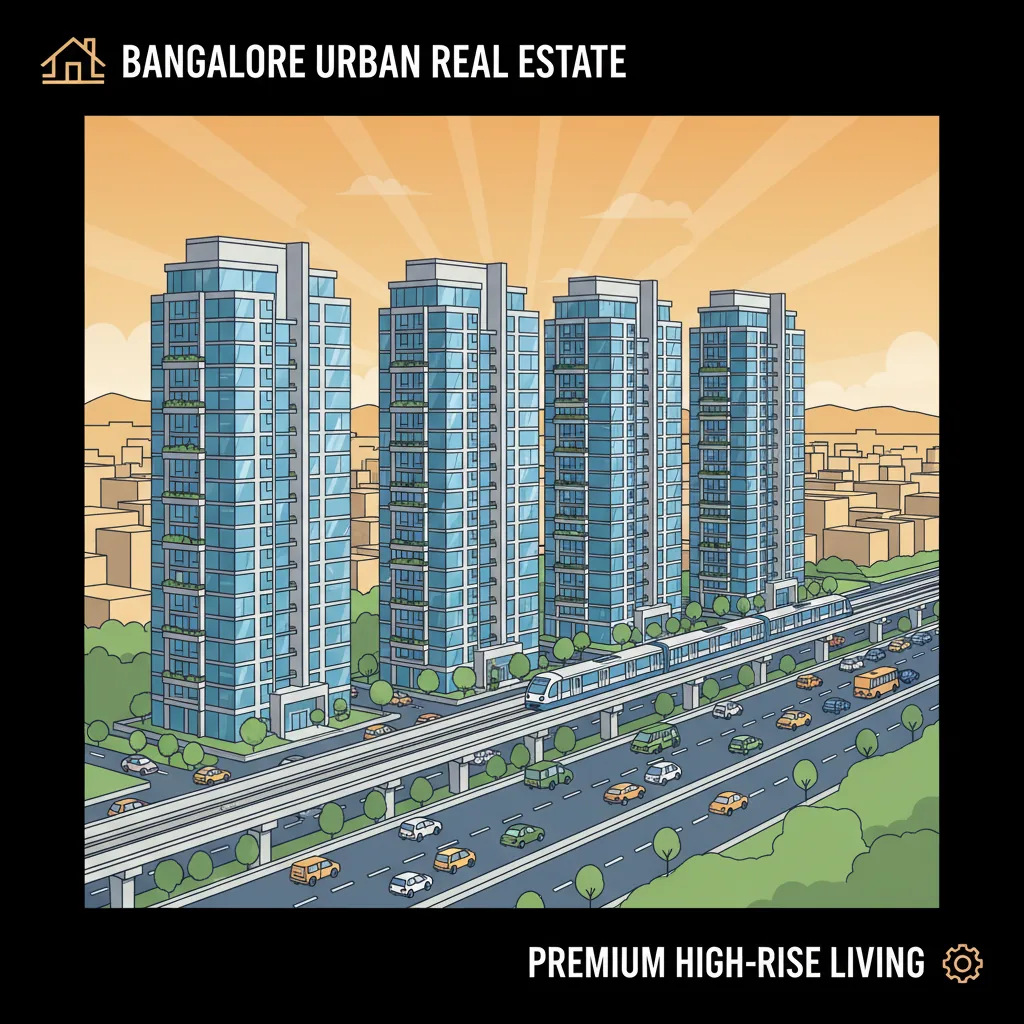
With the Ring Road and tech parks nearby, builders realized how valuable this land was. Old warehouses were quickly replaced by tall luxury apartments, shopping malls, and massive glass office buildings.
The Next Big Step: Sobha One World Near NH-75
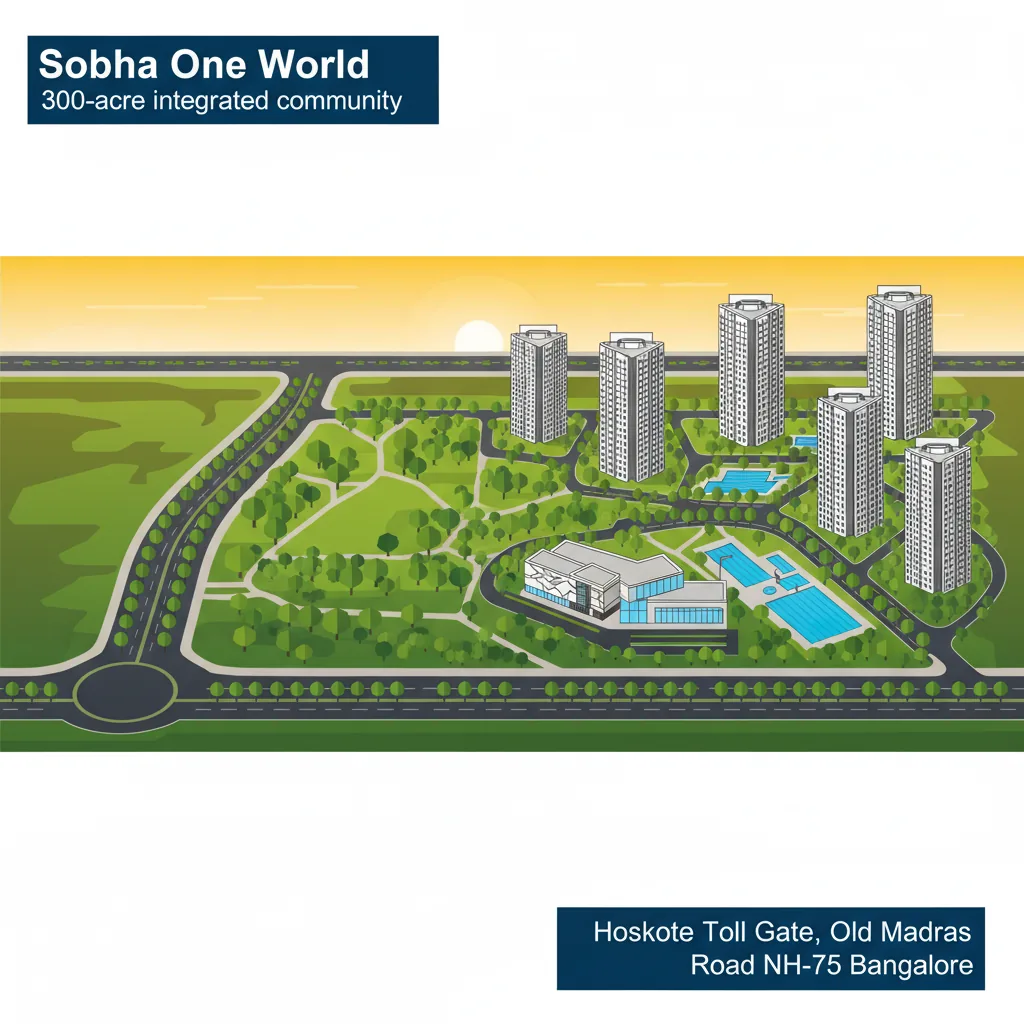
As you drive further down Old Madras Road, it officially turns into National Highway 75 (NH-75). This specific stretch is now the hottest destination for real estate. A great example of this growth is Sobha One World, a massive luxury township being built by Sobha Limited in Hoskote, right next to the toll plaza.
This project shows how much the area is changing. Instead of just a single building, it is an enormous mini-city with sky-high towers, lots of open parks, and a huge lifestyle clubhouse. Because it sits right on NH-75, residents can easily drive to Whitefield, the airport, or the Outer Ring Road without getting stuck in city traffic. It proves that the old colonial road is still driving Bangalore's future.



 24/7 Support
 Free Site Visit
 Unmatched Price